Brockadale, Kirk Smeaton
"The early showing of spring flowers which continue on through summer provide an amazing habitat for a variety of different invertebrates, butterflies and moth species"
- Nick Simms, Yorkshire Wildlife Trust
Brockadale derives from 'Broken Dale', aptly describing the craggy outcrops of limestone on this SSSI Nature Reserve. The site, which in the spring and summer sees its slopes carpeted in flowers, is managed with the support of a dedicated group of volunteers, The Brockadale Supporter Group. Many of the group's members have been involved with the nature reserve for decades and have been instrumental in its development - they also work to inspire and educate local people about Brockadale by leading guided walks and hosting evening talks.
Plants such as harebell and sheep's fescue can be seen in abundance here during spring and summer along with species such as purple milk vetch, spring cinquefoil and stinking hellebore whilst from August to March the site is grazed by English Longhorn cattle.
Header image (above) by Lana Huntley
Managed by
Species to spot
-
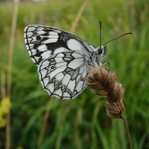
Marbled white butterfly
Best time to see: June - Aug.
A distinctive medium-sized white butterfly, with black-chequered markings, often be found feeding on purple flowers such as common knapweed. The caterpillars feed on grasses. Image © Adam Hincks/CC BY_SA
-
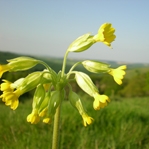
Cowslip
Best time to see: April - May
Easy to spot with its yellow cup-shaped flowers nodding at the end of tall stems. The name cowslip allegedly derives from ‘cowslup' - an old term for cowpat - since where the cow 'slupped' this flower was often found.
-
-
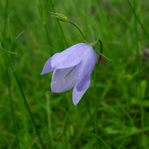
Harebell
Best time to see: July - September
Their papery beauty belies their extraordinary toughness and resilience. It is also known as the cuckoo's shoe, witch bells or old man's bell - the 'old man' being the devil himself.
Image by Beth Newman, Plantlife
-
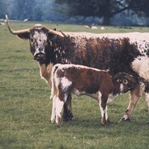
English Longhorn
One of our largest native breeds, the Longhorn almost died out at the end of the 19th Century, but recognition of its excellent qualities of milkiness, longevity, beef quality and docility have resulted in rapid expansion of numbers and the breed is no longer classed as rare.
Image by the RBST