Dane-in-Shaw Pasture, Congleton
The pasture and meadow provide a little oasis for local people coming out of the town
- Carolyn Sherratt, Cheshire East Council
Dane-in-Shaw Pasture is a Site of Special Scientific Interest (SSSI) as it is one of few remaining unimproved grasslands left in the country. Take a walk through the Pasture in the summer and it is easy to see why this site is so special. Ox-eye Daisy, Meadowsweet, Black Knapweed, Devil’s-bit Scabious and many other flowers can be seen growing amongst the grasses. On bright summer days butterflies flit from flower to flower searching for a feast of nectar, whilst dragonflies skim along the sparkling waters of Dane-in-Shaw Brook hunting for any unlucky insects that cross their path. If you're lucky you may see a Kingfisher fly past in a flash of electric blue, or a Dipper bobbing on rocks in the brook hunting for invertebrates.
The pasture is carefully managed with cattle grazing the slopes alongside the brook during the summer and autumn, and the top meadow is cut for hay in late summer before the cattle are allowed on to graze.
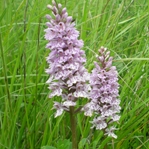
The meadow was semi improved in the past and was described as species poor when the pasture became a SSSI in 1990. With the right management and the help of Hay Rattle - a flower which is parasitic on grasses reducing their vigour and so allowing other wildflowers, such as Common Spotted Orchid and Common Cat’s-ear, to grow - the meadow is now flourishing and will hopefully become part of the SSSI in the future.
Recipient Meadows
How to get there
Dane-in-Shaw Pasture SSSI can be accessed from the Biddulph Valley Way which is an old railway line now used by walkers, horse riders and cyclists, from the Macclesfield Canal tow path or from the end of the cul-de-sac called Bosley View on Henshall Hall housing estate. From Congleton Railway Station you can get straight onto the canal towpath and head east for less than half a mile to reach the pasture. Once on the pasture there are no surfaced paths and the terrain is sloping and uneven in parts and can become very muddy, particularly during wet winter months.
Species to spot
-
-
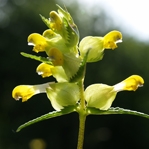
Yellow rattle
Best time to see: May - Sept.
A semi-parasitic flower, that feeds off nutrients in nearby grass roots. In doing so it helps restrict the vigorous grasses, allowing more delicate wildflowers to emerge. Its 'rattle' is from tiny seeds in their pods.
-
-

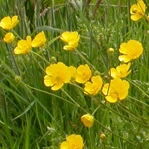
Pignut
Best time to see: April - June
With delicate, branched stems, and white umbels of small flowers. Shakespeare refers to pignut in The Tempest when Caliban says 'I pr’ythee, let me bring thee where crabs grow; And I with my long nails will dig thee pig-nuts; Show thee a jay’s nest, ....'
Image by Cath Shellswell, Plantlife