The Royal Meadow, Highgrove
The Wild Flower Meadow at Highgrove was created over 30 years ago and is now well established. It lies to the west of the drive at Highgrove and is abundant with daffodils in the spring. Soon after they have finished flowering, the meadow starts to flourish with swathes of yellows, pink and purples.
The meadow was the brainchild of HRH The Prince of Wales and Dame Miriam Rothschild. Dame Miriam devised a mix to replicate the old meadows that had been lost over time, using 130 different species that were typical of the natural flora of Gloucestershire.
Please note: it is not possible to visit this meadow without a previously booked ticket. See the Highgrove website for more information.
How to get there
Via Highgrove. You will need to book. See the Highgrove website for more information.
Species to spot
-
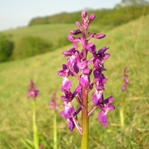
Early purple orchid
Best time to see: April - June
Often arriving with the bluebell, this early orchid has a wonderful scent, not dissimilar to lily-of-the-valley and is the "long purple" of Ophelia's garland, referred to by Gertrude in Shakespeare's Hamlet.
-
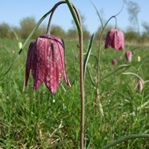
Fritillary
Best time to see: April - May
Once this chequered flower filled flooded hay meadows in their thousands but modern agricultural practices - particularly draining land in order to grow crops - has led to a sharp decline. Image © Plantlife/Beth Halski.
-

Southern marsh orchid
Best time to see: June - July
Also known as the 'leopard marsh orchid', this wild flower is fairly common in mainland Europe but - apart from local areas of southern England - less so over here. Image © Plantlife
-

Hebridean sheep
A small breed which often grows two pairs of horns. Their wool is coarse and black, fading to brown in sunlight and grey with age. Able to thrive in rough grazing conditions, they are good choice for controlling scrub. Image © Adam Somerville/CC BY-SA
Owned by
HRH Prince of Wales